

Shirley Girton Glaser, wife of Milton Glaser and artist, curator, and singularly stylish New Yorker, passed away in New York City on June 29, 2026, at the age of ninety-five. Being married to a design legend and a larger-than-life public figure presents its own sorts of opportunities and challenges, but Shirley, while determinedly private, lived her own artistic life and was both muse and creative support for Milton.
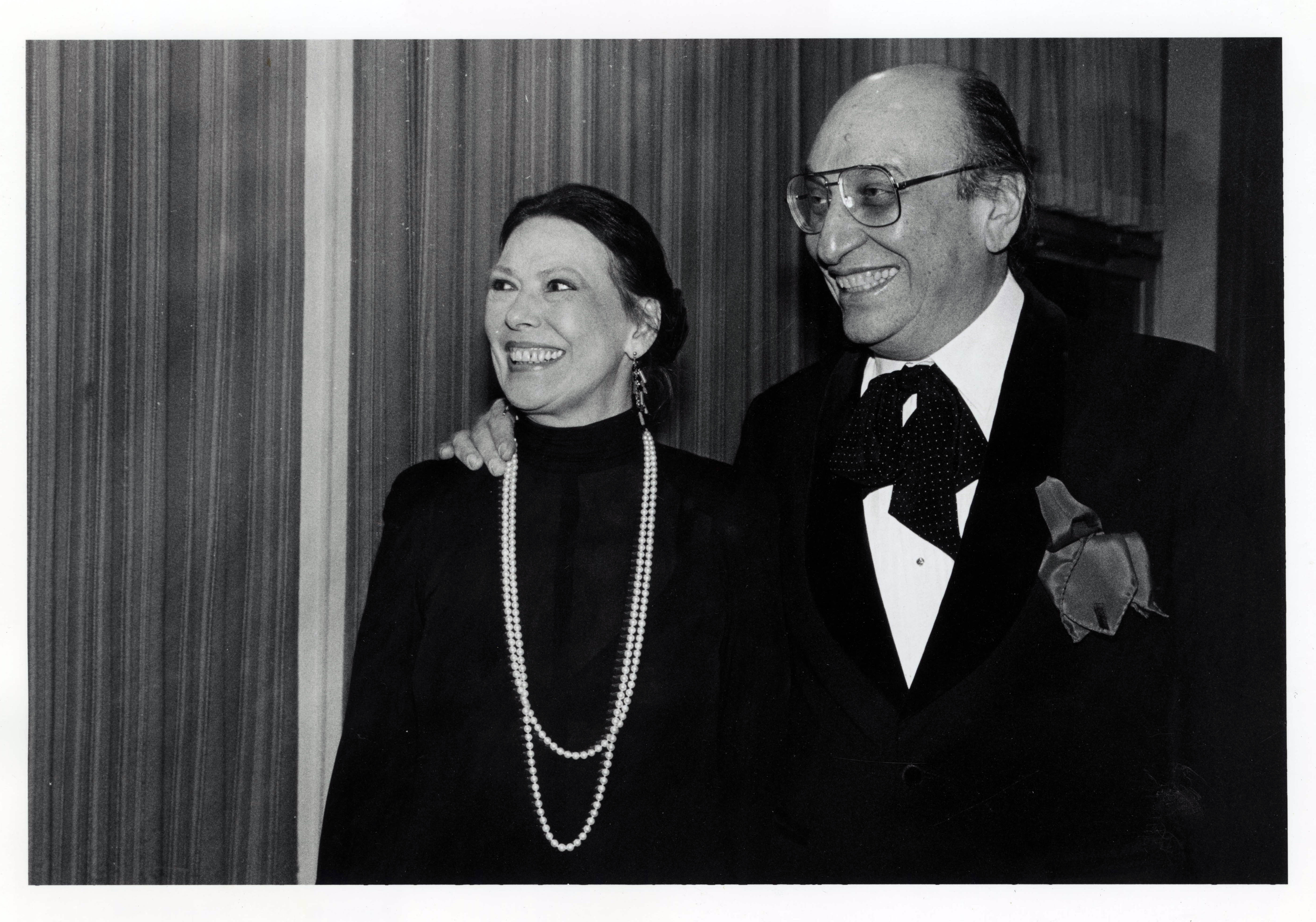
Shirley was born in Wilkes-Barre, PA and, like Milton, studied art at Cooper Union, but did not meet him there. When Milton took off for his Fulbright study in Italy, Shirley was hired to take over his job at the advertising agency where he’d briefly worked.
I had the great fortune to interview Shirley twelve years ago. She recounted, “They used to tell me Milton Glaser was so good, [we] hope you can do the job.” At a time when women in the design industry were a tiny minority, the creative, witty, and savvy Shirley stood out. She met Milton at a party when he returned from his Fulbright and a few weeks later he called and asked her out on a date for gin and tonics at a Greenwich Village bar.
Milton and I went out for about four years and then we got married in ‘57. Put all of our money together, which I think was $4,000, and we took a boat to Europe. Milton remembered it was $175 round trip. We stayed there until our money ran out, almost two years. It was fun. It was a good way to start a life.
We had a home base in Rome and we traveled from there. We went to Salamanca in Spain for the bullfights. In Rome, I bought a copy of [a cookbook by] Elizabeth David. That’s how I learned how to cook.
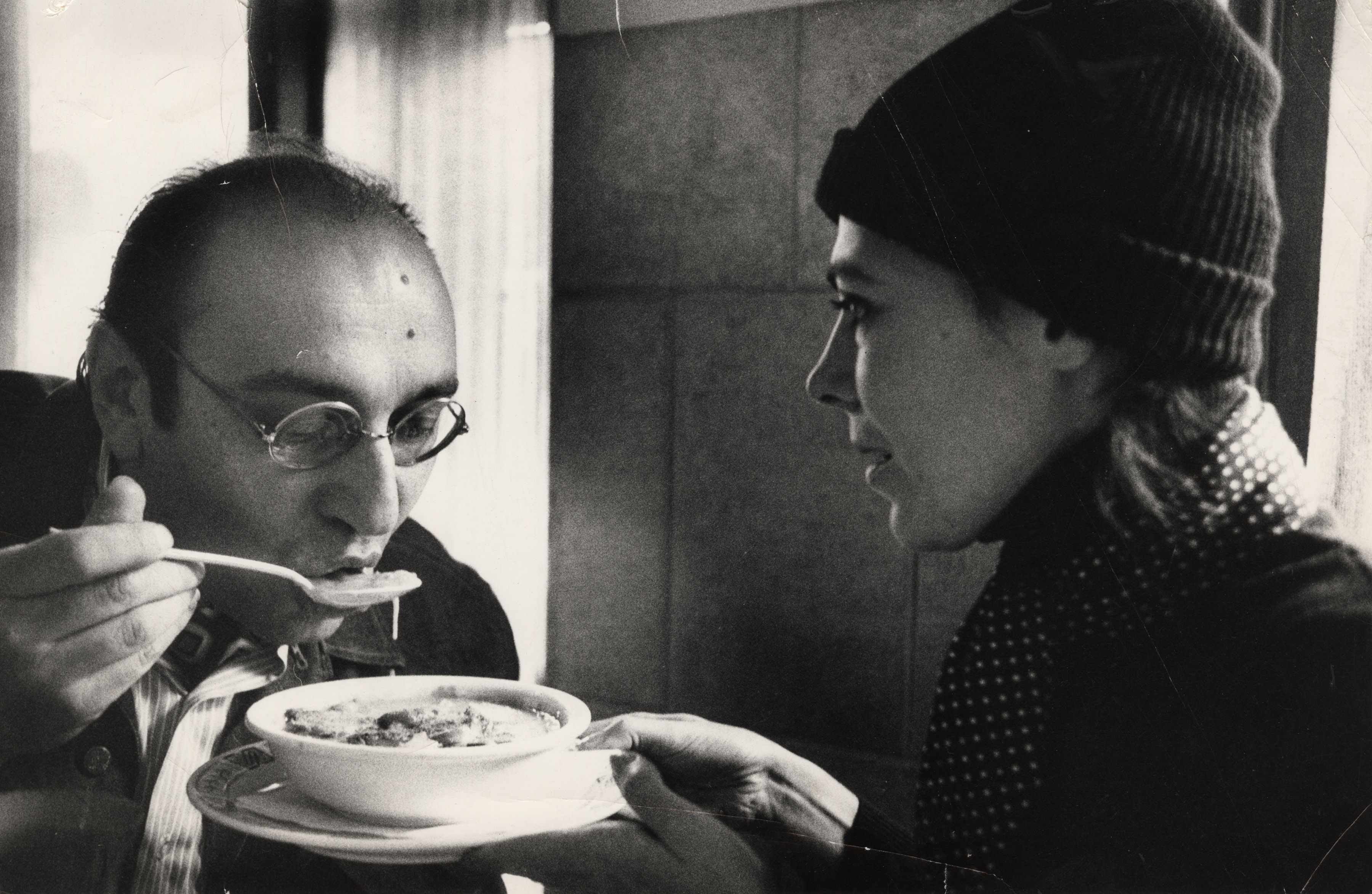
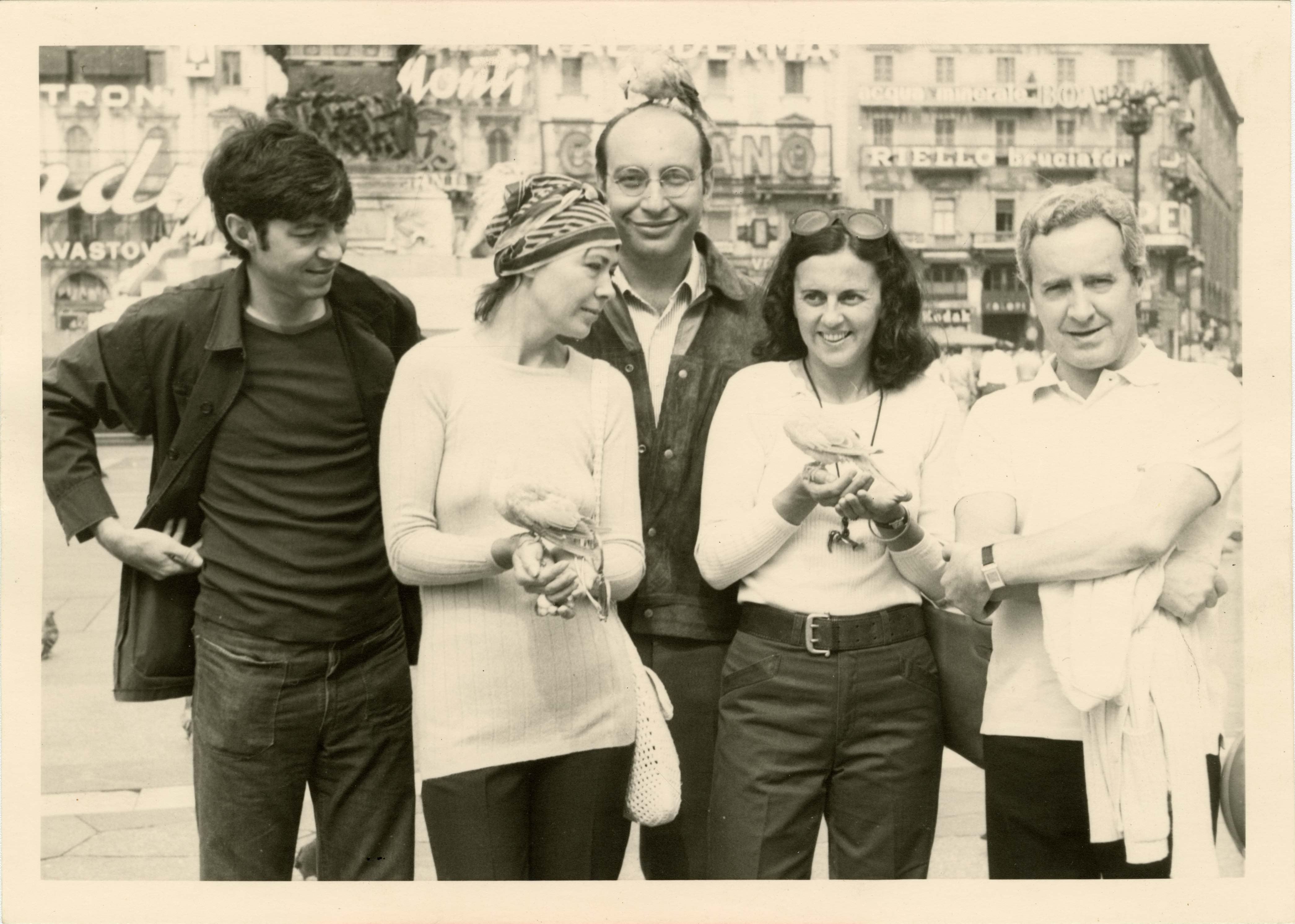
Over the years they would travel the world, often returning to Italy.
Milton and Shirley returned to New York and took up residence in an apartment at 54 St. Mark’s Place. Shirley had noticed an ad in The Villager for a three-room apartment.
I called up and I [asked], ‘Is it a big three rooms? And he said, ‘No, but it’s a nice three rooms.’ We wanted to stay downtown and until then we’d never put our noses up above 14th Street. It was the parlor floor of one of the St. Mark’s Place brownstones, three giant rooms [with] gold leaf [on] the ceiling. It was a really beautiful building. There was a teabag factory below it owned by the [landlord].
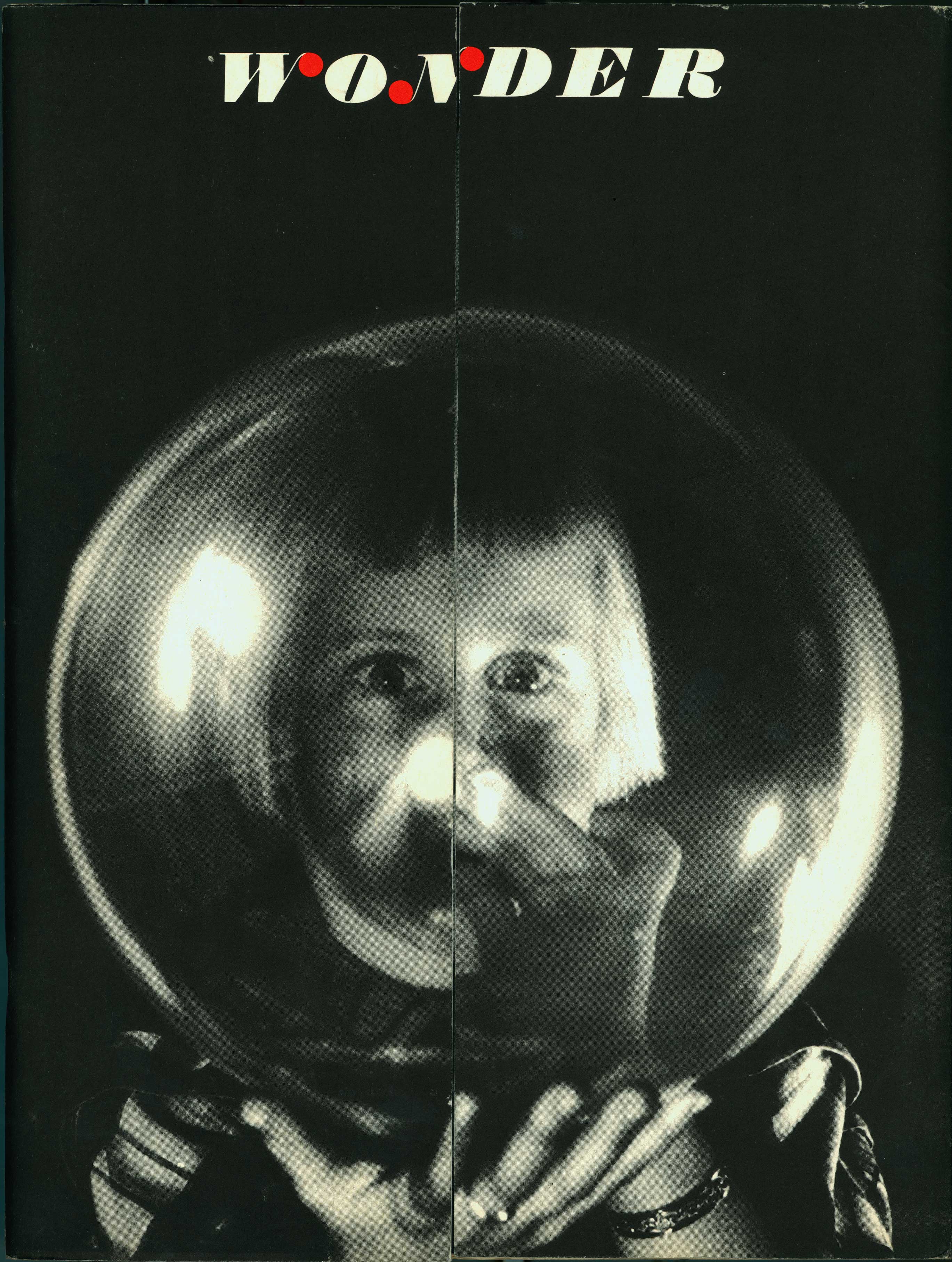
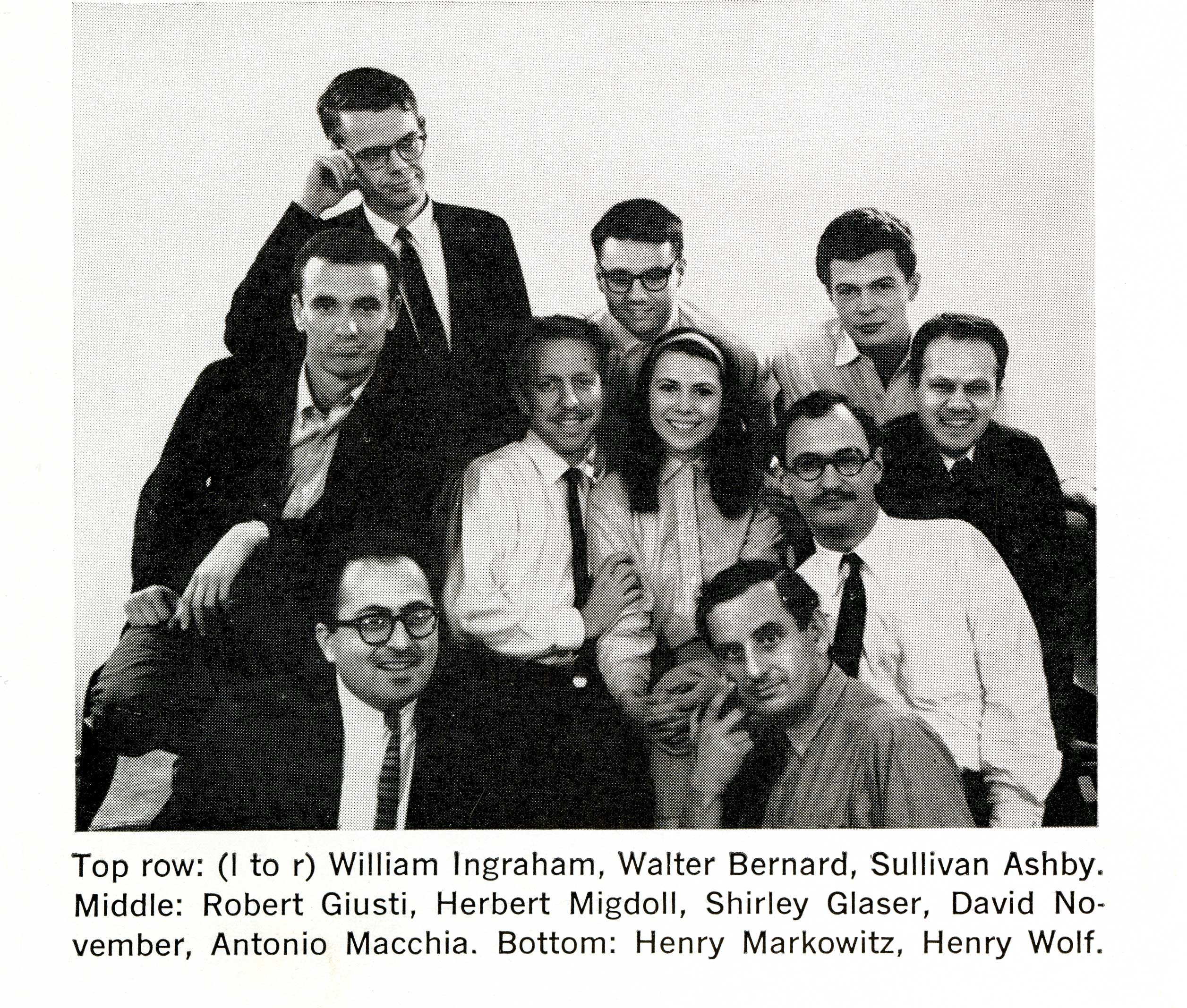
Milton started teaching at SVA in 1960 and in 1962, Shirley was the sole woman to participate in Henry Wolf’s magazine workshop at SVA, which produced the one-issue sensation Wonder.
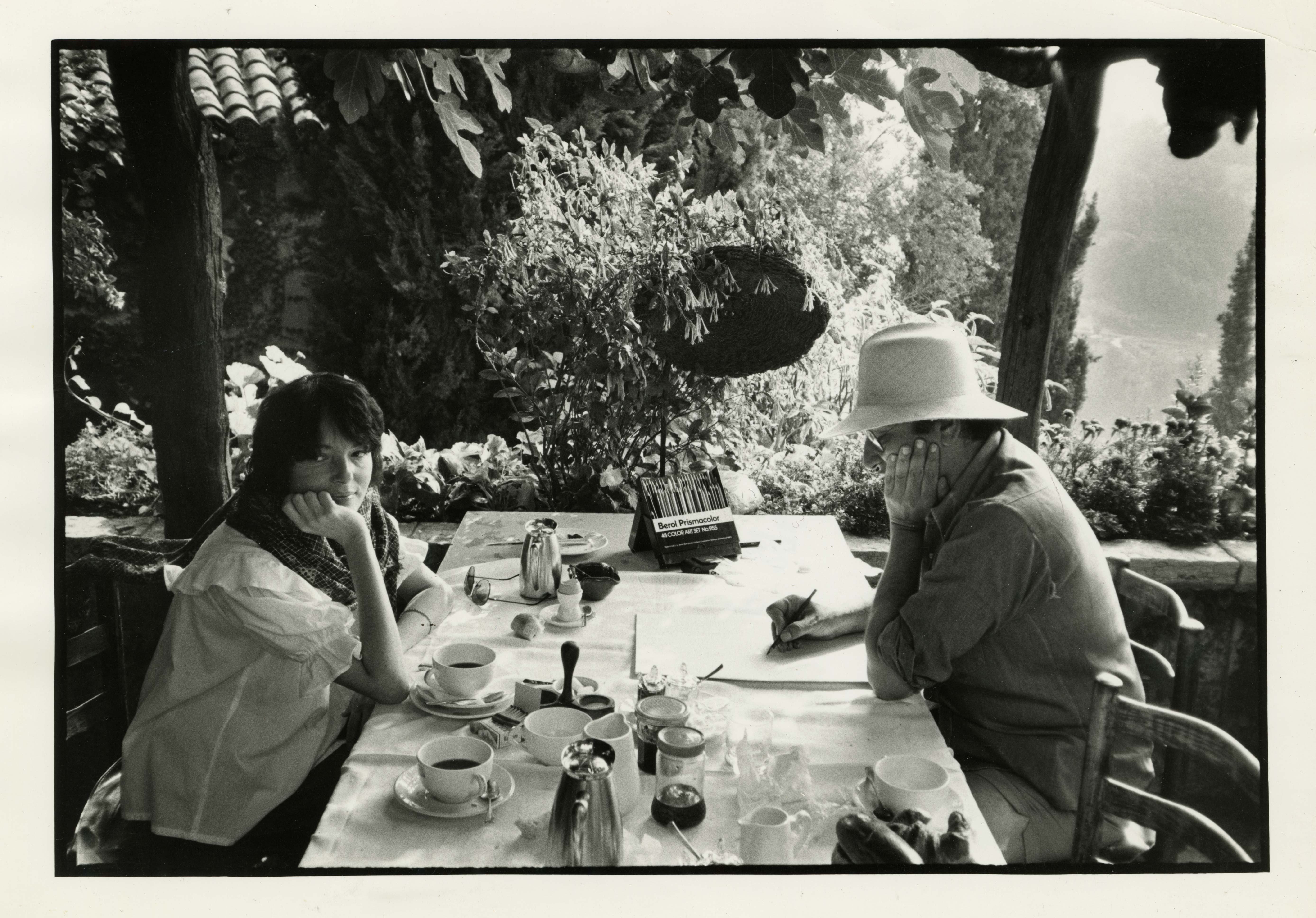
That same year, Shirley and Milton purchased a second home in Woodstock, NY, where they would go for extended stays.
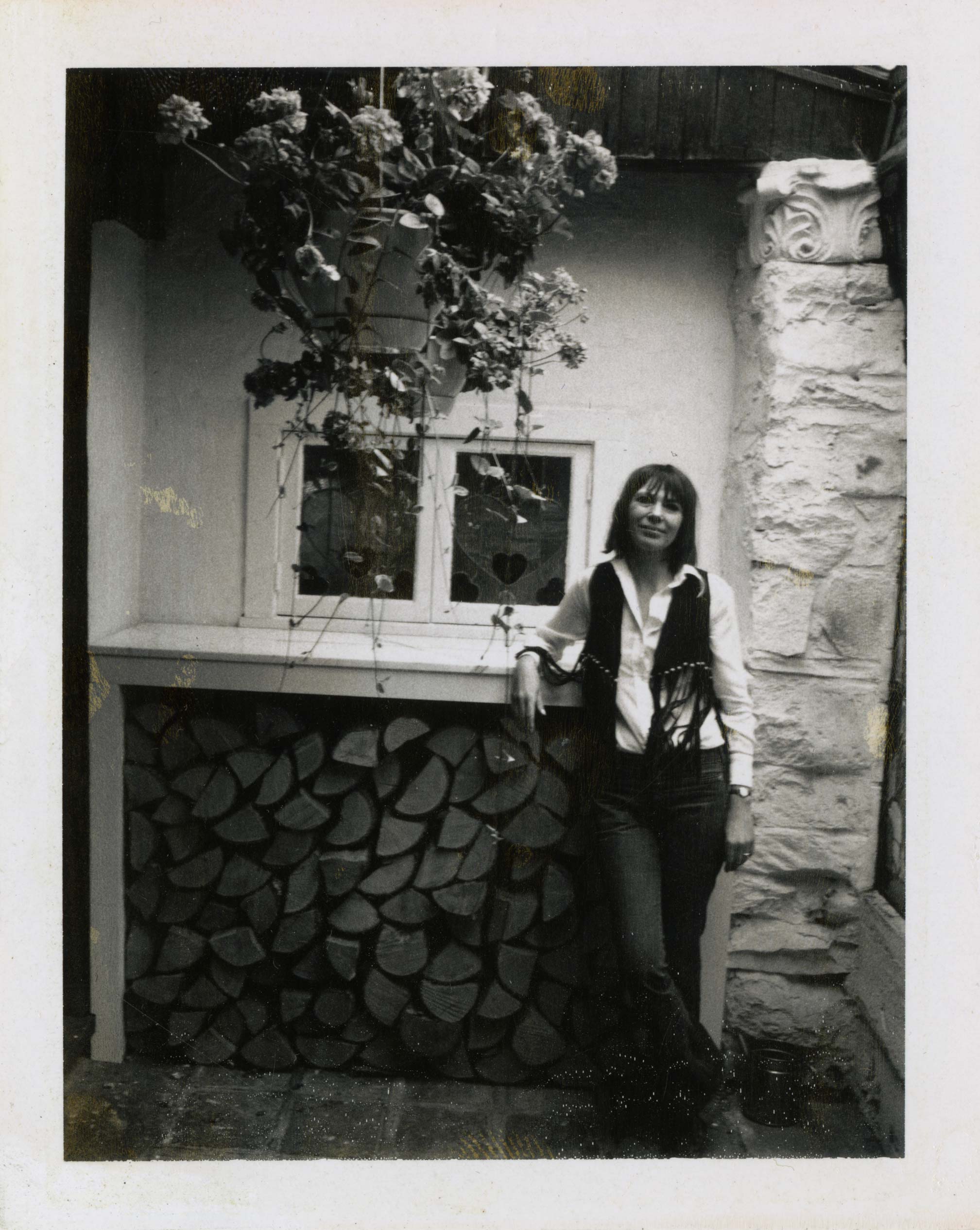
In 1964, Shirley initiated her own professional relationship with SVA. She asked SVA founder Silas Rhodes if she could use a street level space in the College’s 209 E. 23rd Street building to do a small photography show. After that success, Rhodes asked Shirley to help turn the space into a permanent gallery and run it. And what a run it was.
Silas gave me a little office behind the gallery with a desk and a telephone. And I called every single one of these [artists] on the phone. That’s how I did it. And nobody turned me down ever.
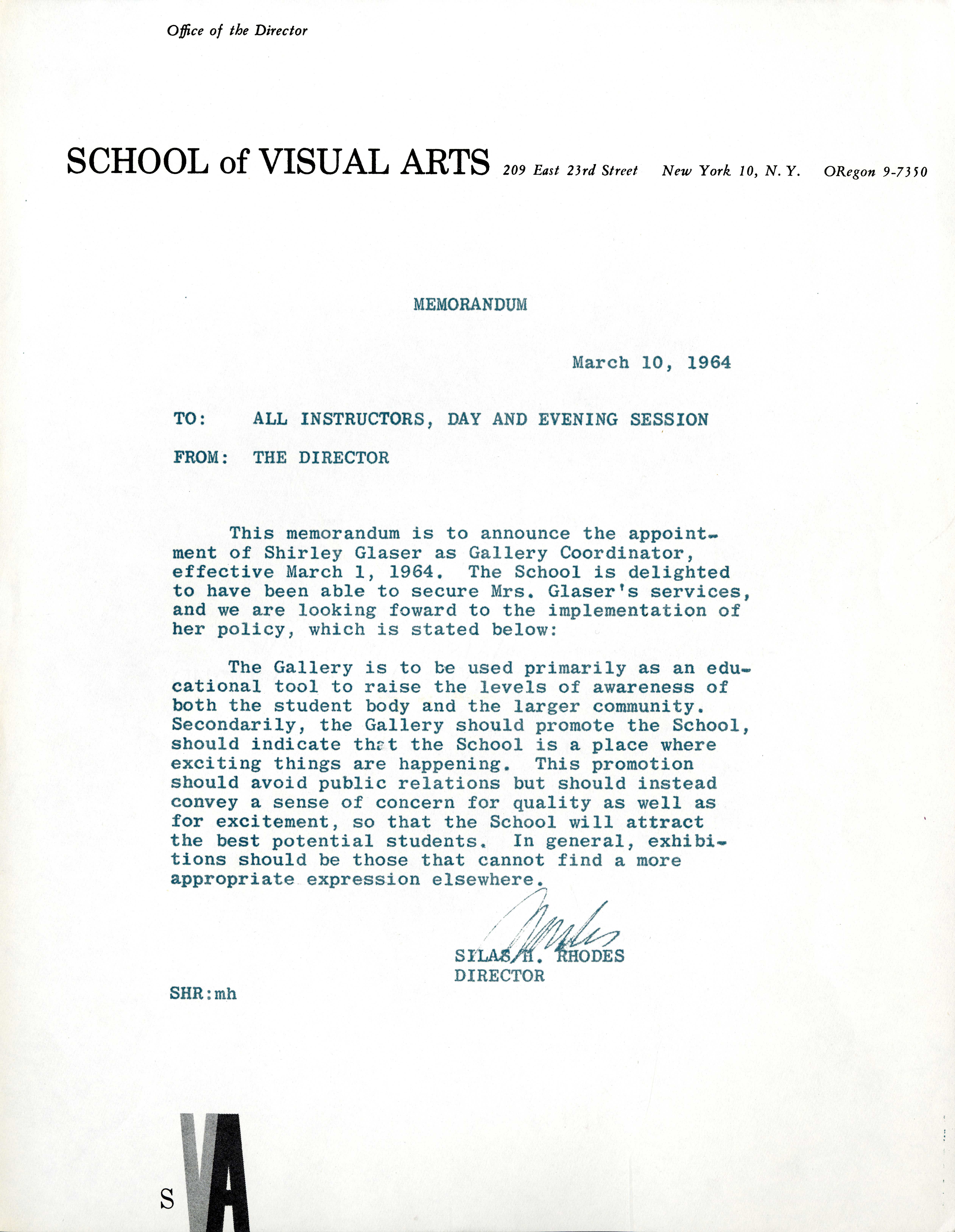
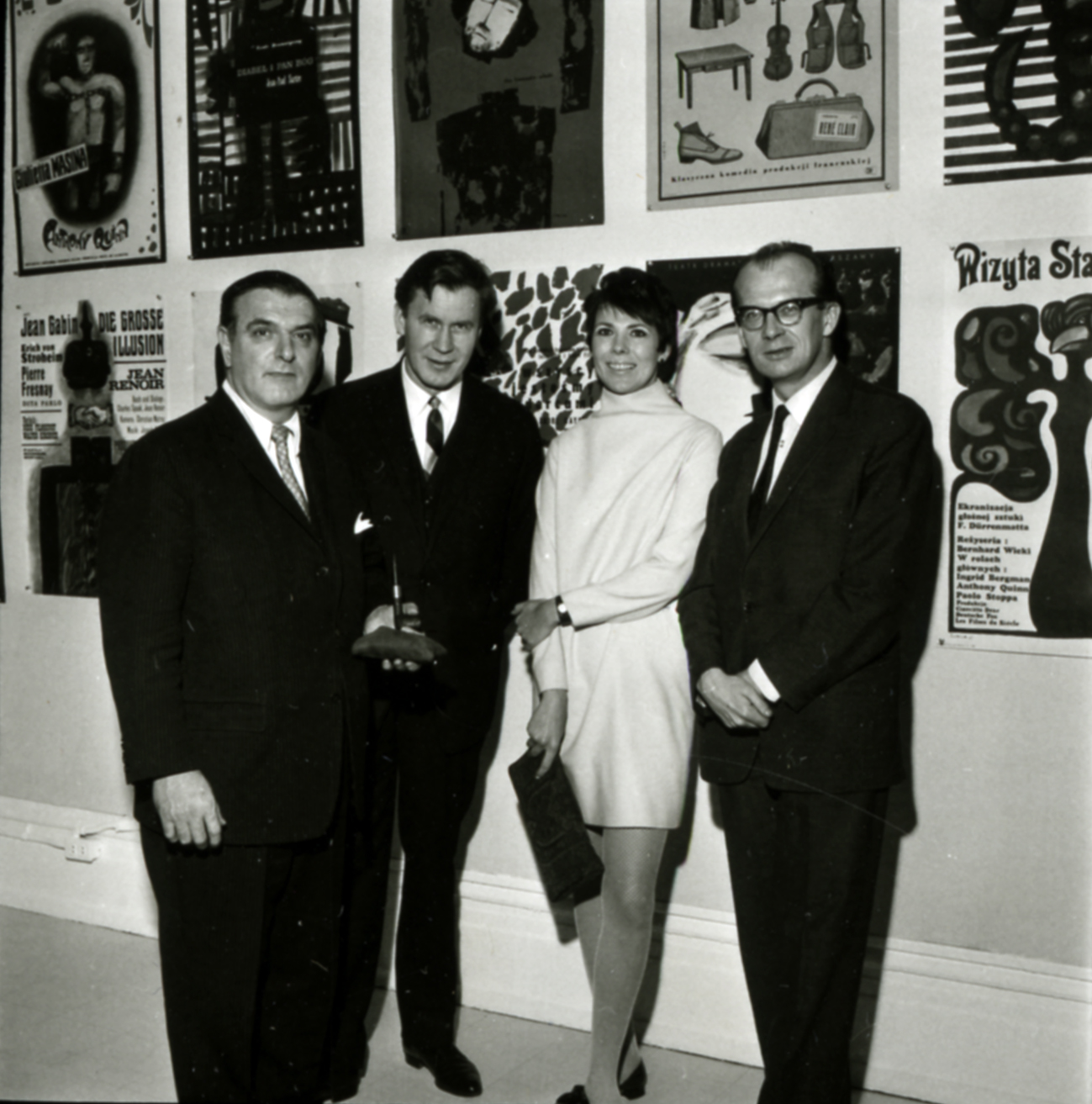
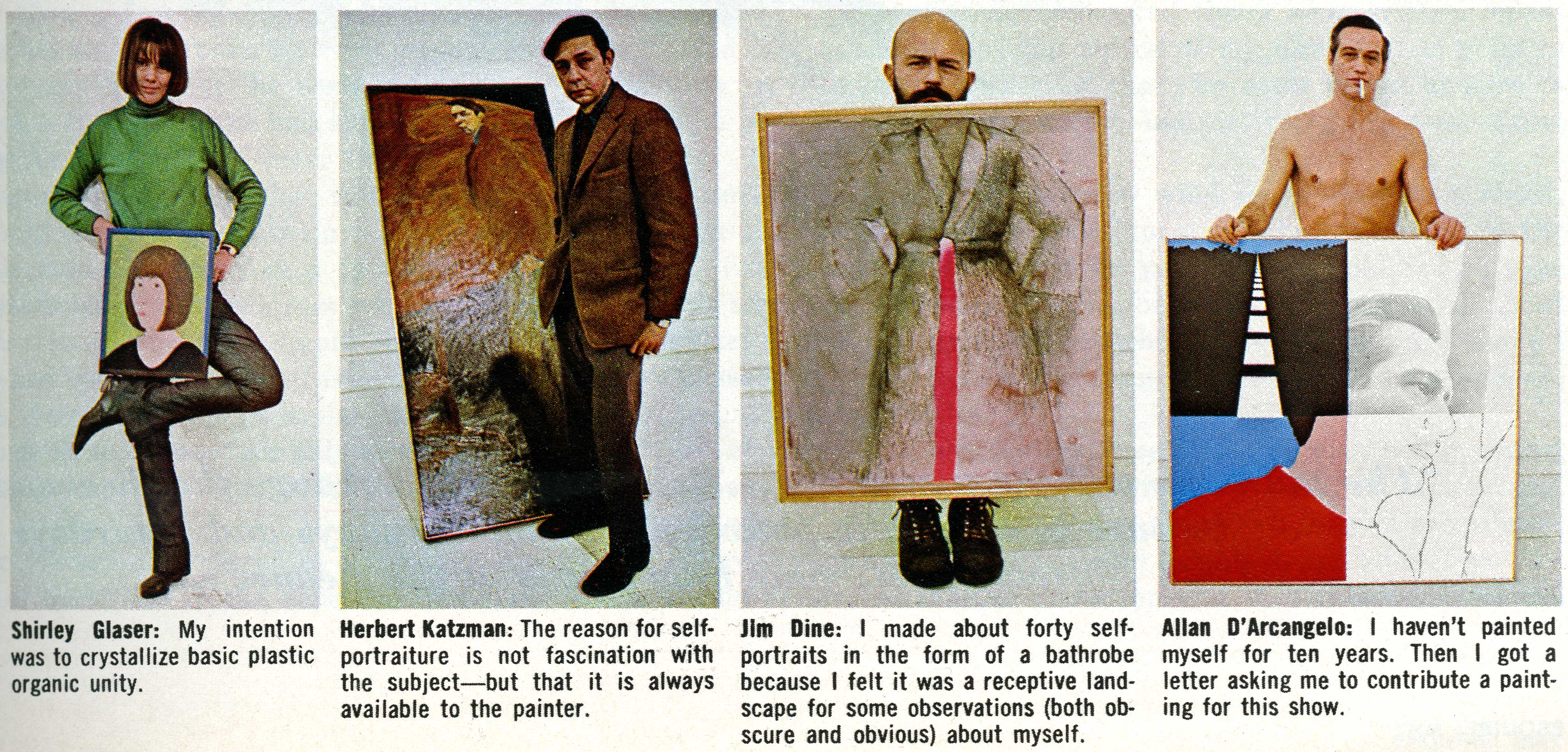
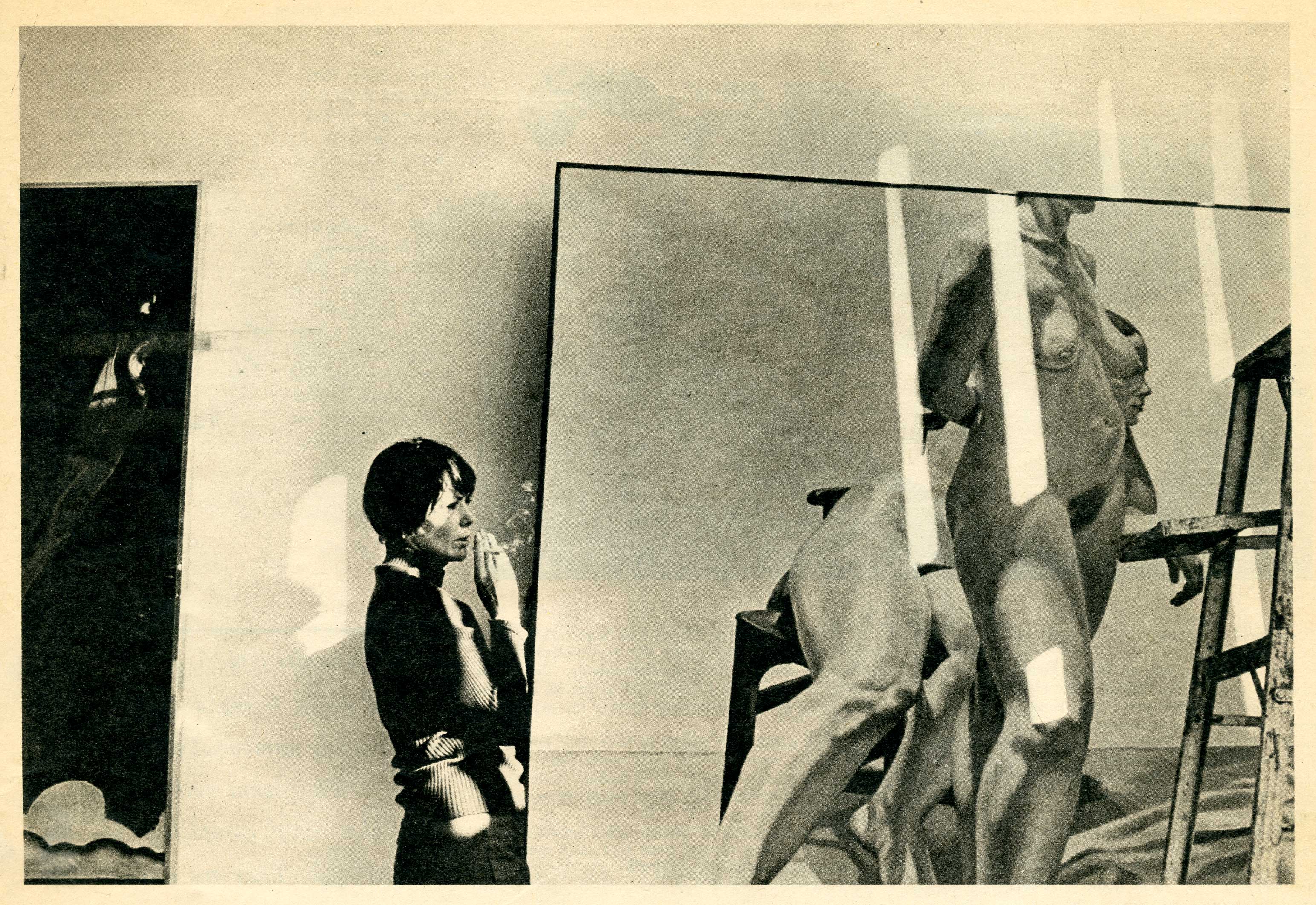
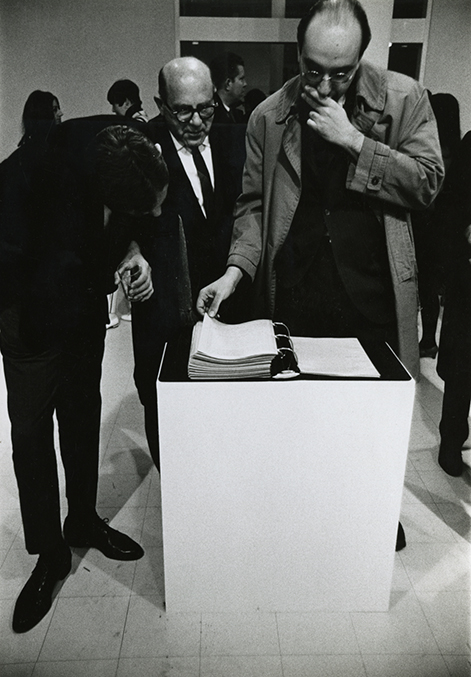
From 1964 to 1969, Shirley oversaw more than thirty exhibitions at SVA’s Visual Arts Gallery (Milton immediately signed on to design the posters). They were primarily high concept group shows, produced at a mind-bogglingly fast pace, striking a new pose for the presentation of art in New York. She attracted many art world luminaries: Andy Warhol, Josef Albers, Alex Katz, Donald Judd, and James Rosenquist all showed their work at the gallery. She also brought the influential Chicago Imagists “The Hairy Who” to SVA’s gallery at a time when they were relatively unknown, and she devoted a show to the avant-garde design work from the German magazine Twen. Her main mission was always to educate and inspire SVA's students. Other exhibitions included Concrete Poetry (1968), the immensely popular 65 Self-Portraits (1965), Big Nudes (1966), Now: An exhibition of documentary photographs taken by photographers of the Student Nonviolent Coordinating Committee in Alabama, Mississippi, Arkansas, Georgia, Maryland and New York (1965), and the landmark conceptual art exhibition Working drawings and other visible things on paper not necessarily meant to be viewed as art (1966, with Mel Bochner).
Charming and wry, Shirley understood how to navigate relationships. She ended a letter to Silas Rhodes enumerating a number of desired improvements for the gallery, “I shall ask Marcia not to give this to you until you are in a splendid mood and the sun is shining.” And on the subject drumming up attention for an exhibition of the work of fashion illustrator Dora Mathieu, Shirley wrote to Silas, “I’m asking Mr. and Mrs. Samuel Newhouse, Emily Genauer, and John Canaday to come to the opening. They may refuse, but I have something personal on each of them and I’ll use it (not blackmail, just mild extortion).”
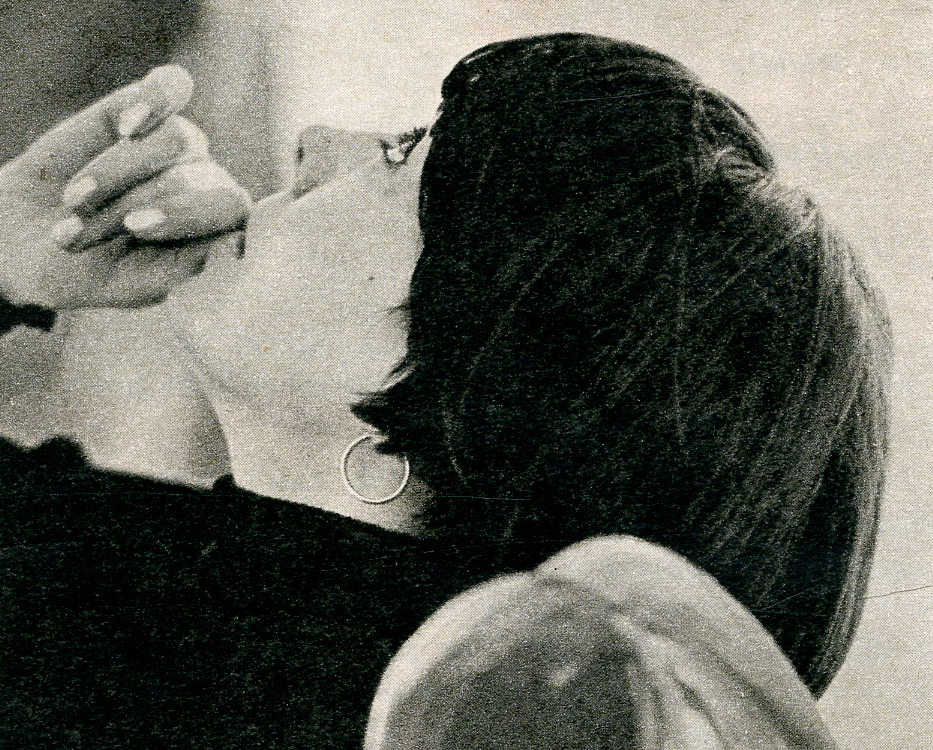
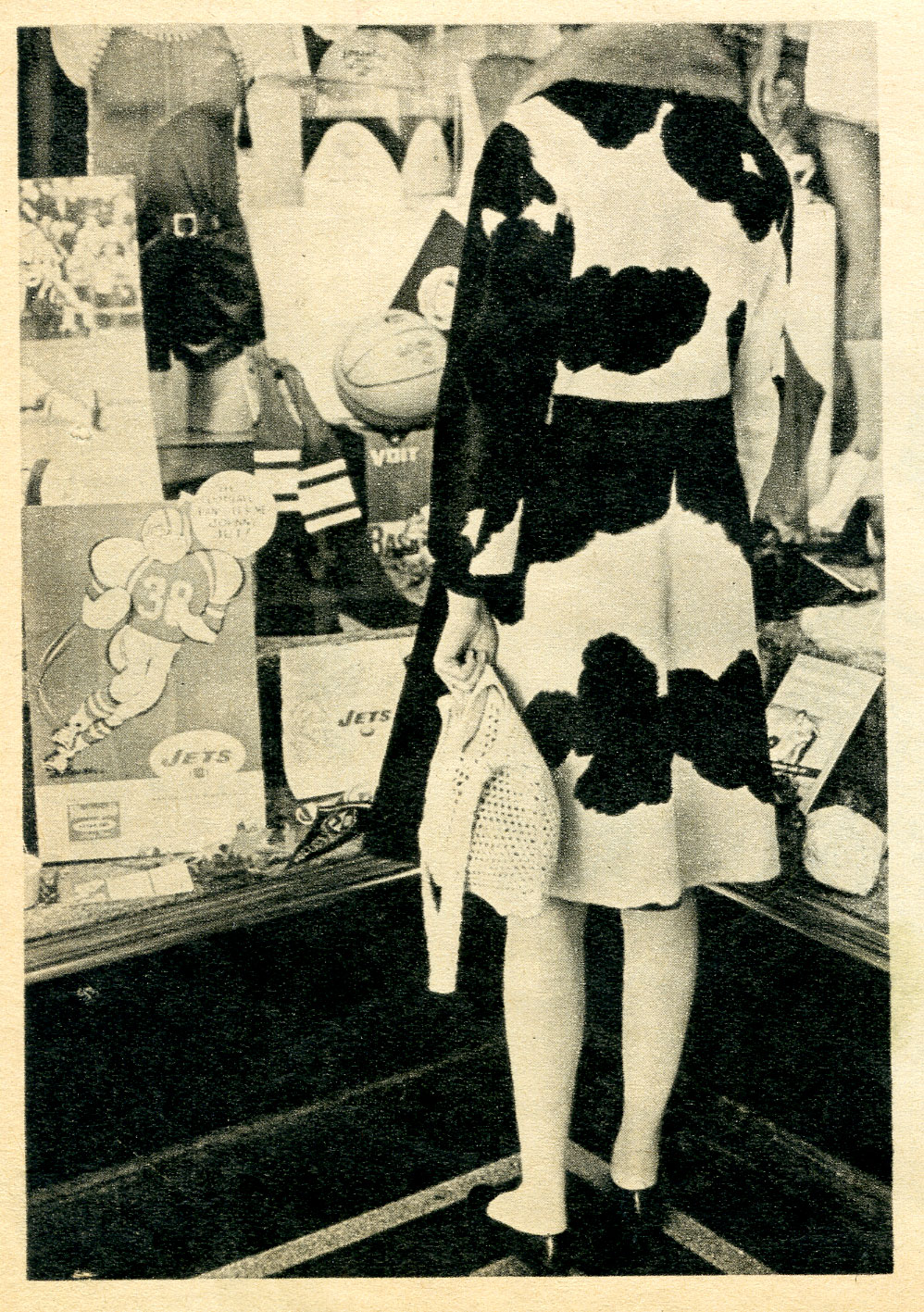
At the height of her tenure as gallery director, Shirley was the subject of a worshipful it-girl profile in the New York Herald Tribune. The author breathlessly described of Shirley’s self-made wardrobe - a closetful of turtleneck shift dresses made from a pattern of her own design, sewn up in various fabrics, from silver vinyl to wool. Shirley is shown going shopping at a sporting goods store in her spotted fur coat, where she picks up a pair of soft leather boxer’s shoes.
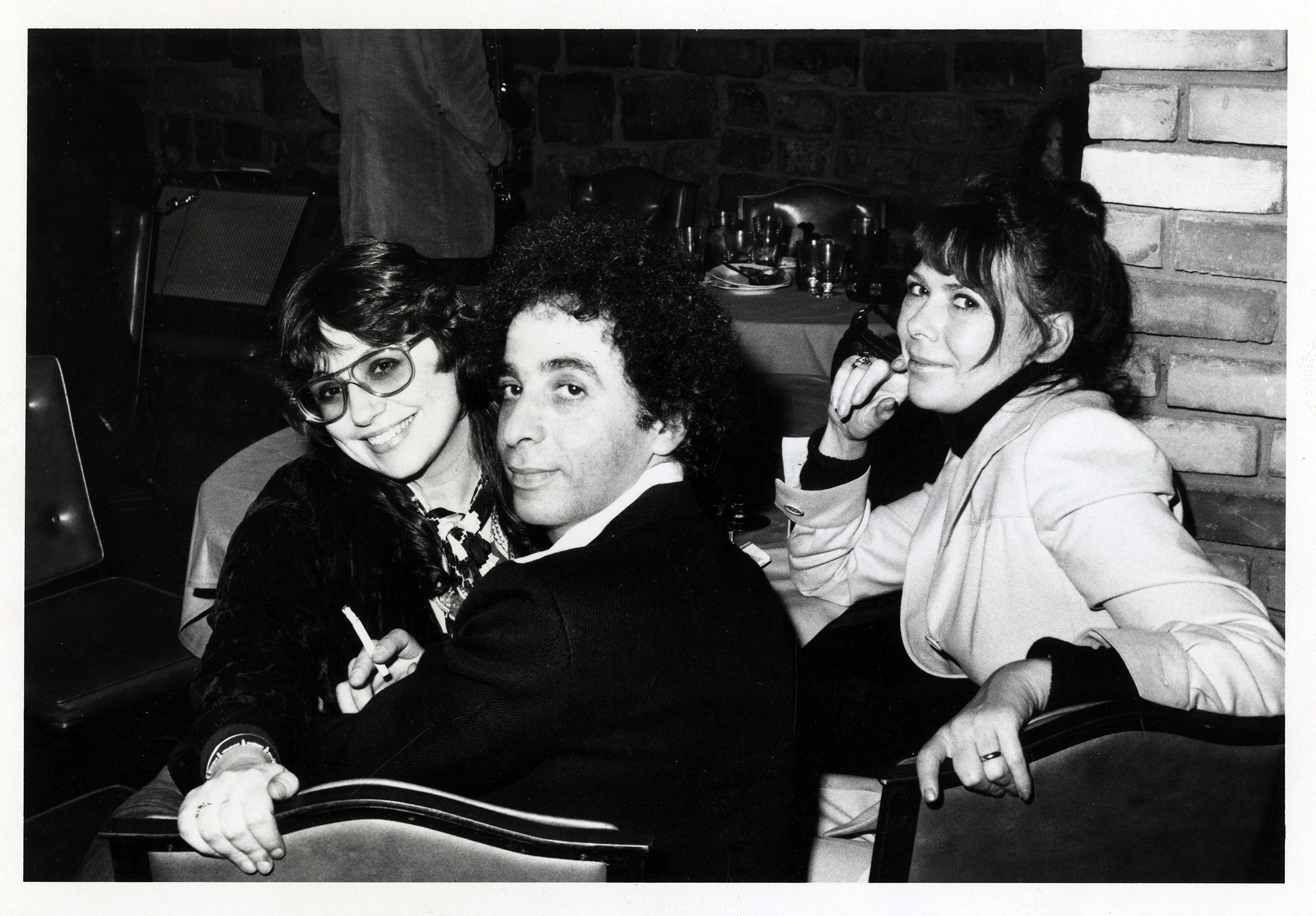
An artist with a highly refined sense of personal style, she possessed the ability to foresee the next big thing. Milton said of her sixth sense, “Shirley’s [always] ten minutes ahead.” Legendary music manager and friend of the Glasers Albert Grossman (Bob Dylan, Janis Joplin, Peter, Paul & Mary) landed in Bearsville, NY (near Woodstock) in the 1960s because Shirley overheard at the grocery store that a grand home near Woodstock was for sale - and Grossman was the only person they knew who could afford it. Soon after, Shirley tipped off Grossman about another Woodstock area property for sale, which he acquired for his new star Bob Dylan.
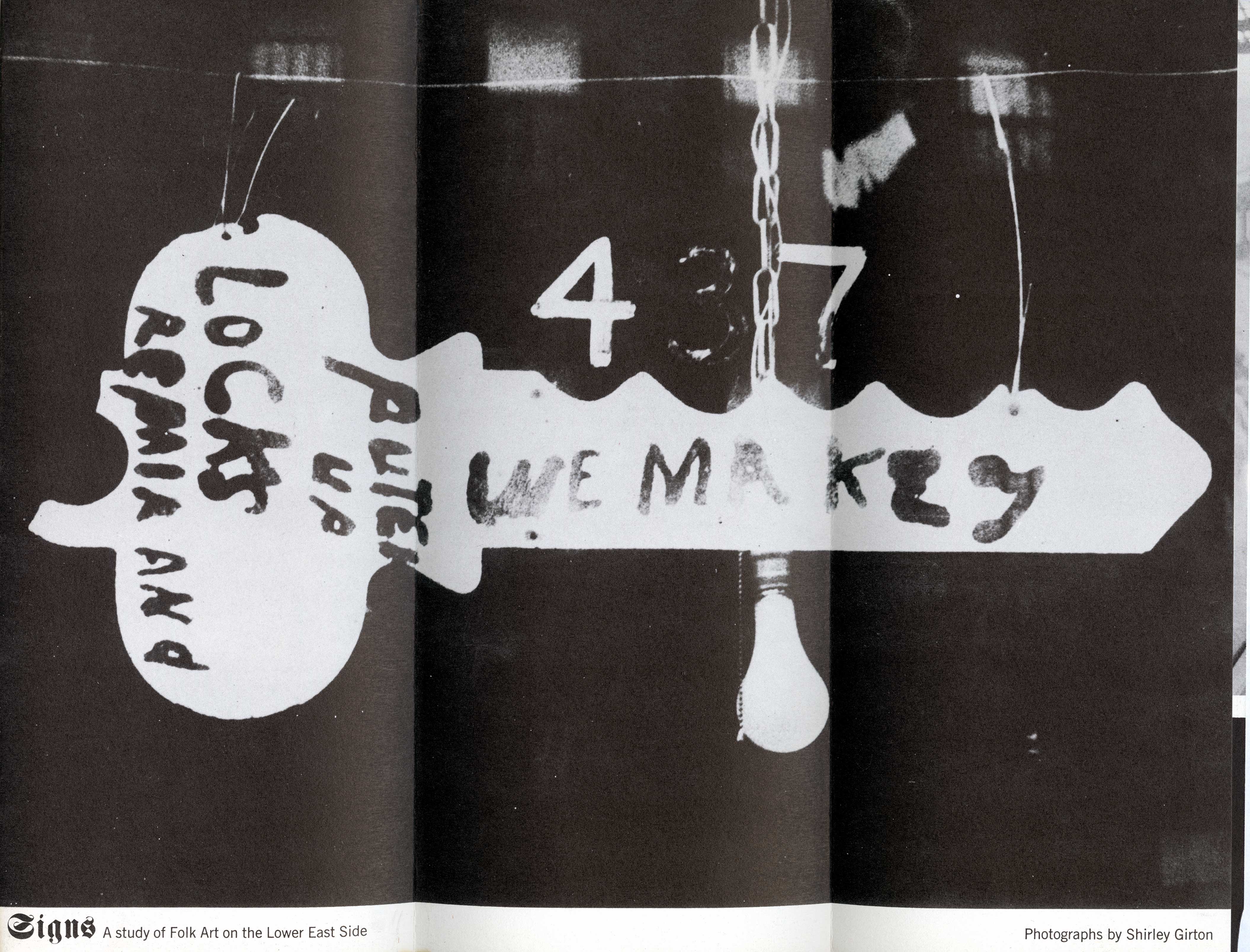
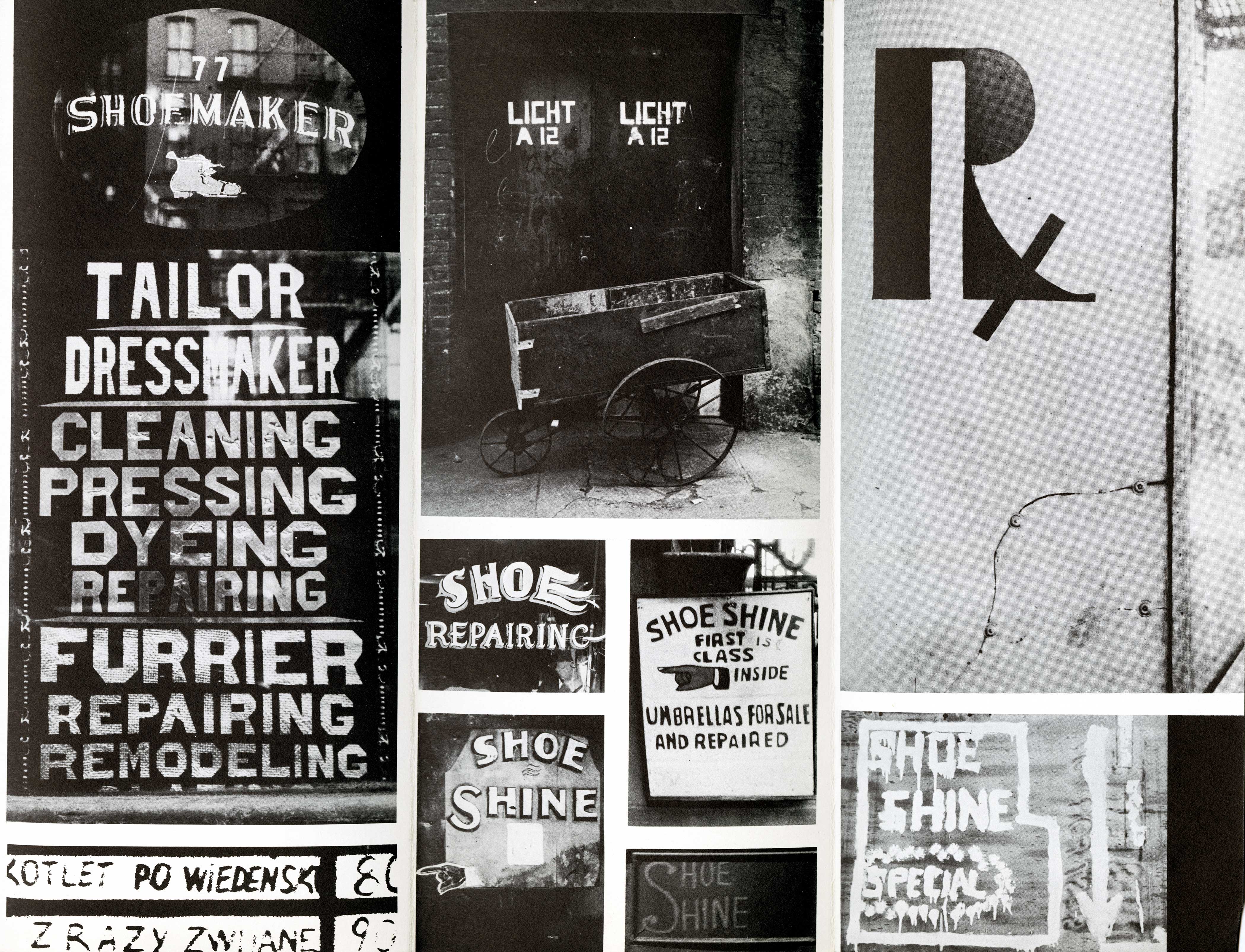
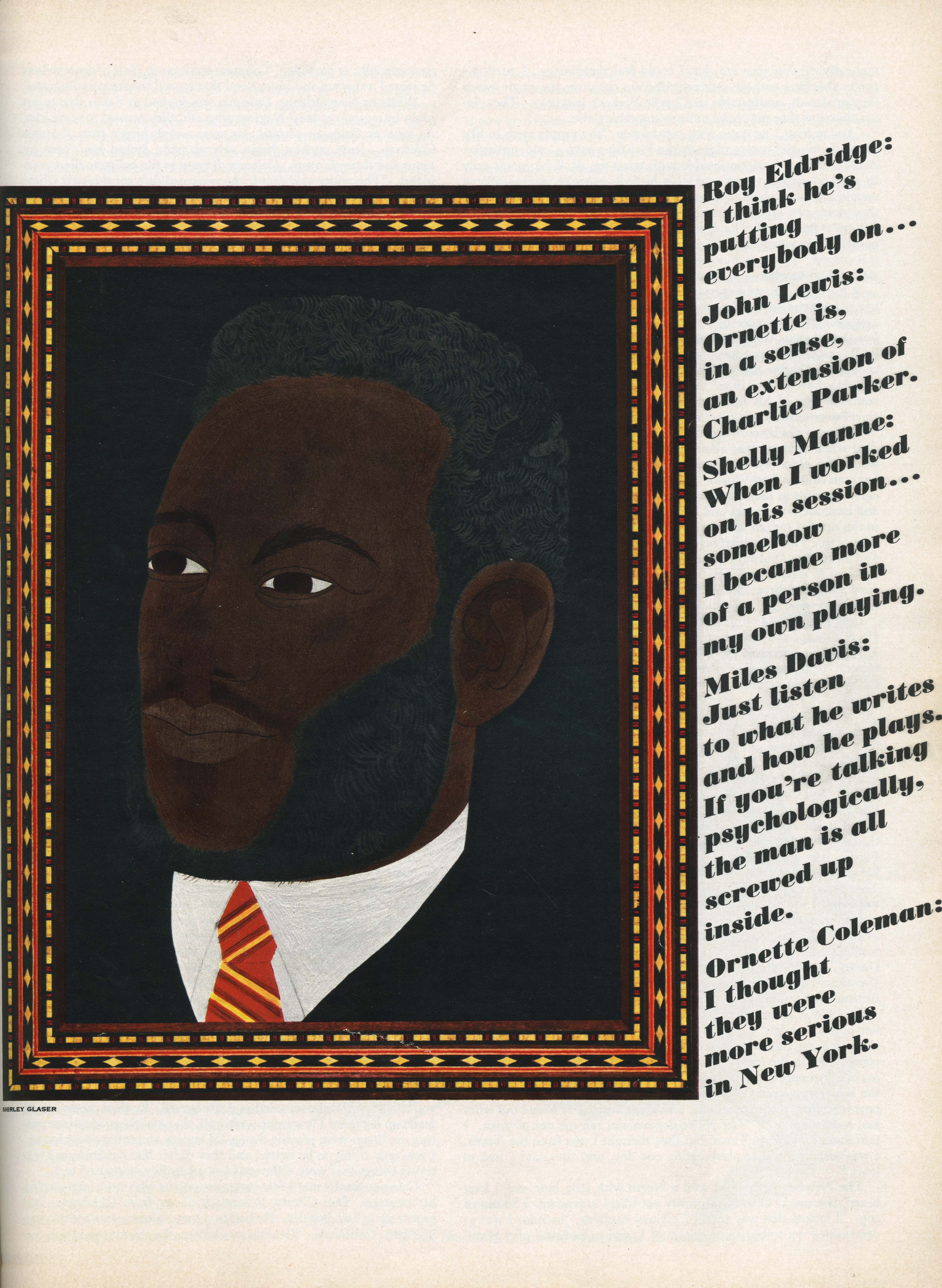
After her time as gallery coordinator, Shirley continued to make art but entirely shunned the spotlight. Her work is hard to find publicly, but you can see her photographs of Lower East Side signage in a Push Pin Graphic supplement in 1957. And I stumbled upon her painting of jazz musician Ornette Coleman in the March 1961 issue of Esquire.
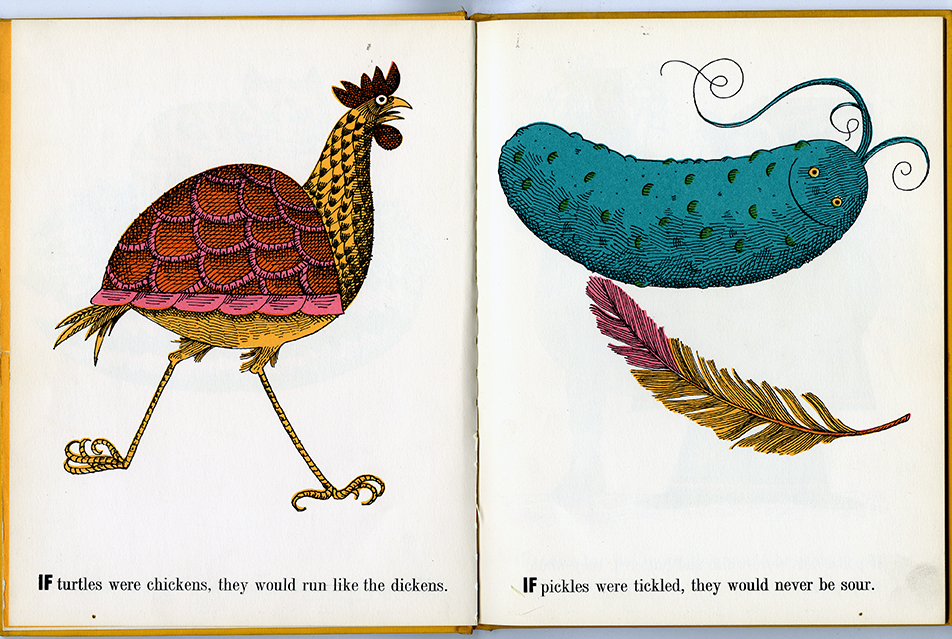
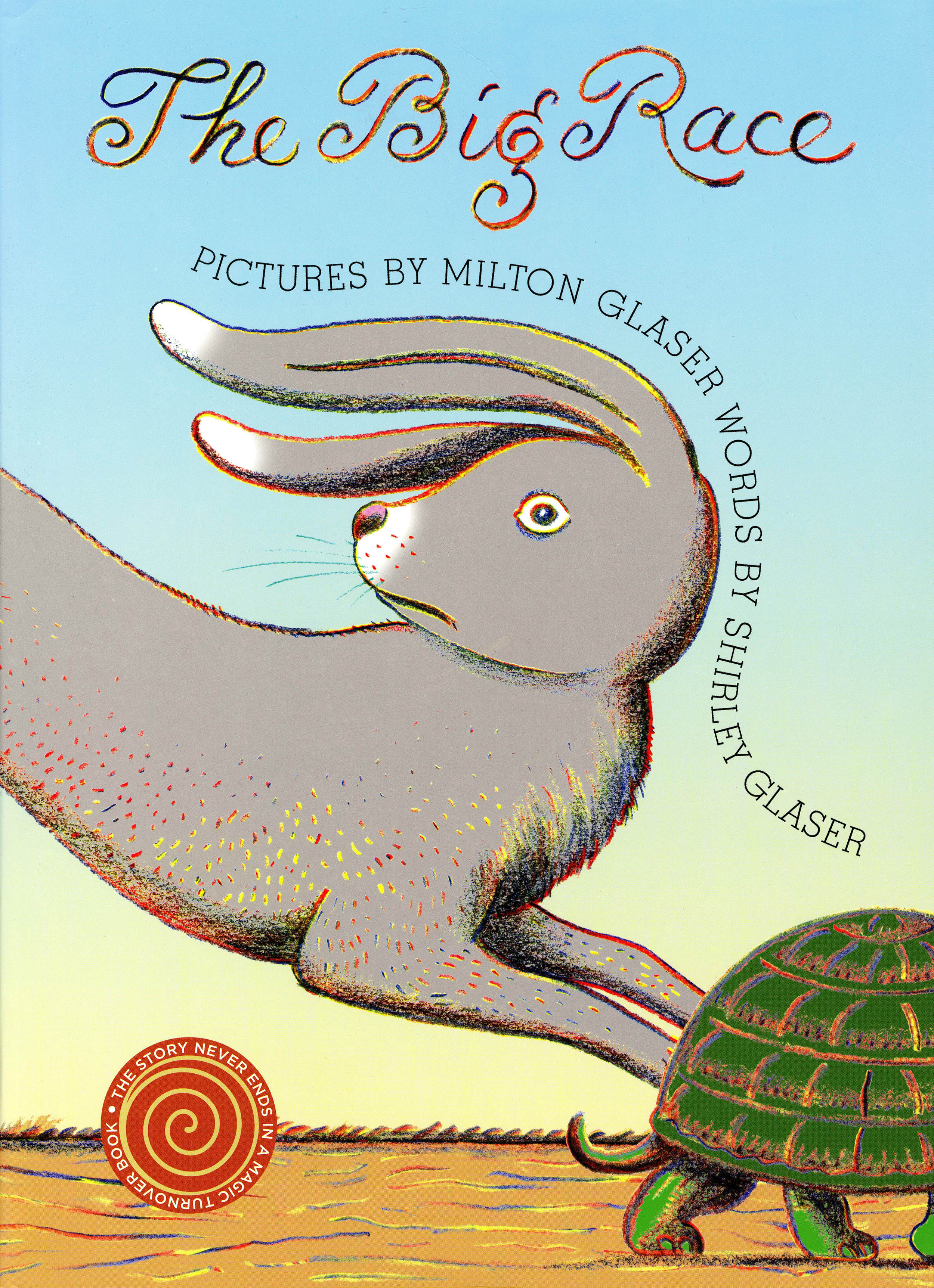
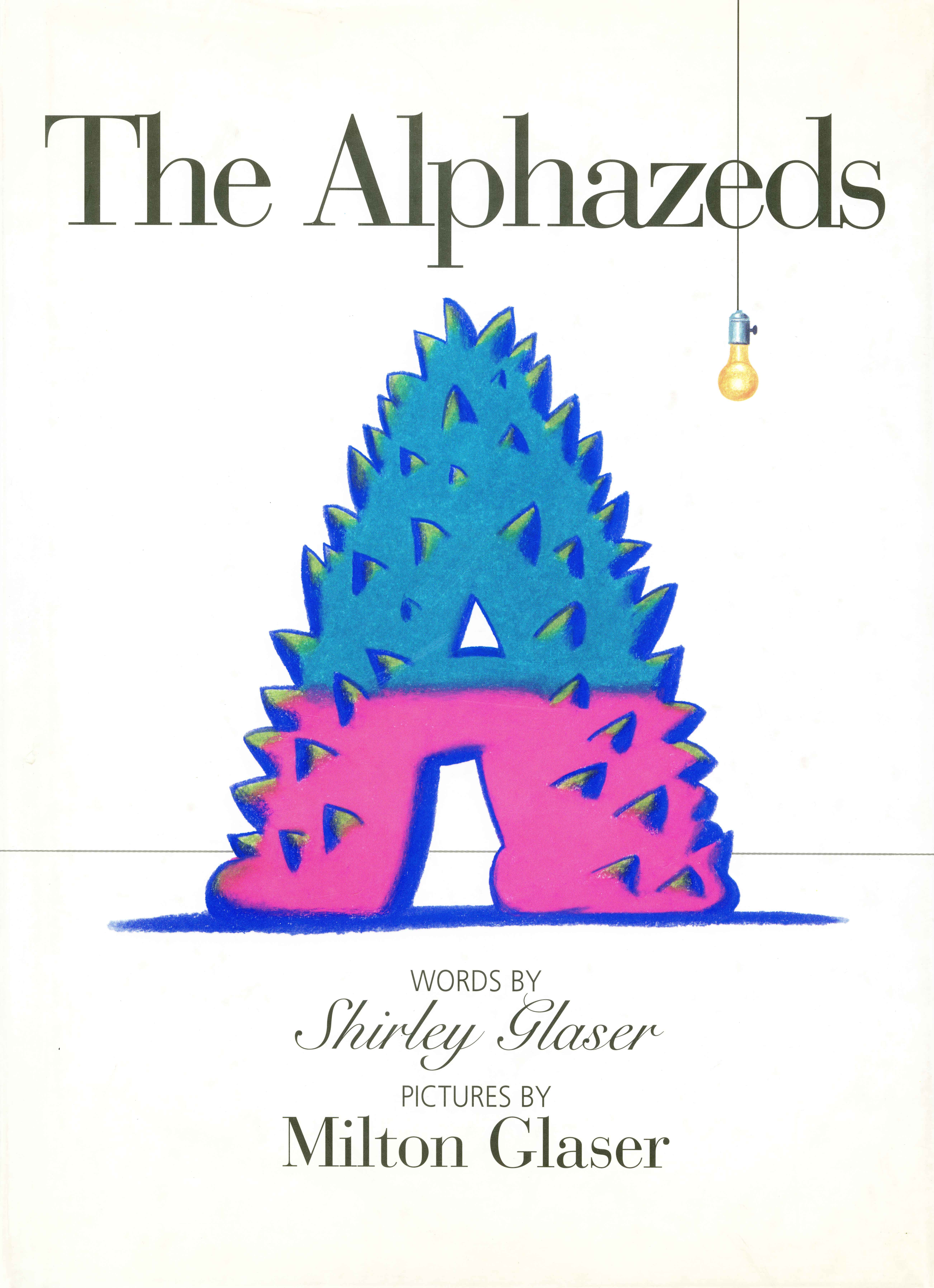
She co-authored several children’s books with Milton, including If Apples Had Teeth (1960), The Big Race (1995), The Alphazeds (2003).
And if you look carefully, you can find her throughout Milton’s work, including his posters for the Animal Rescue Fund and the Book of the Month Club.
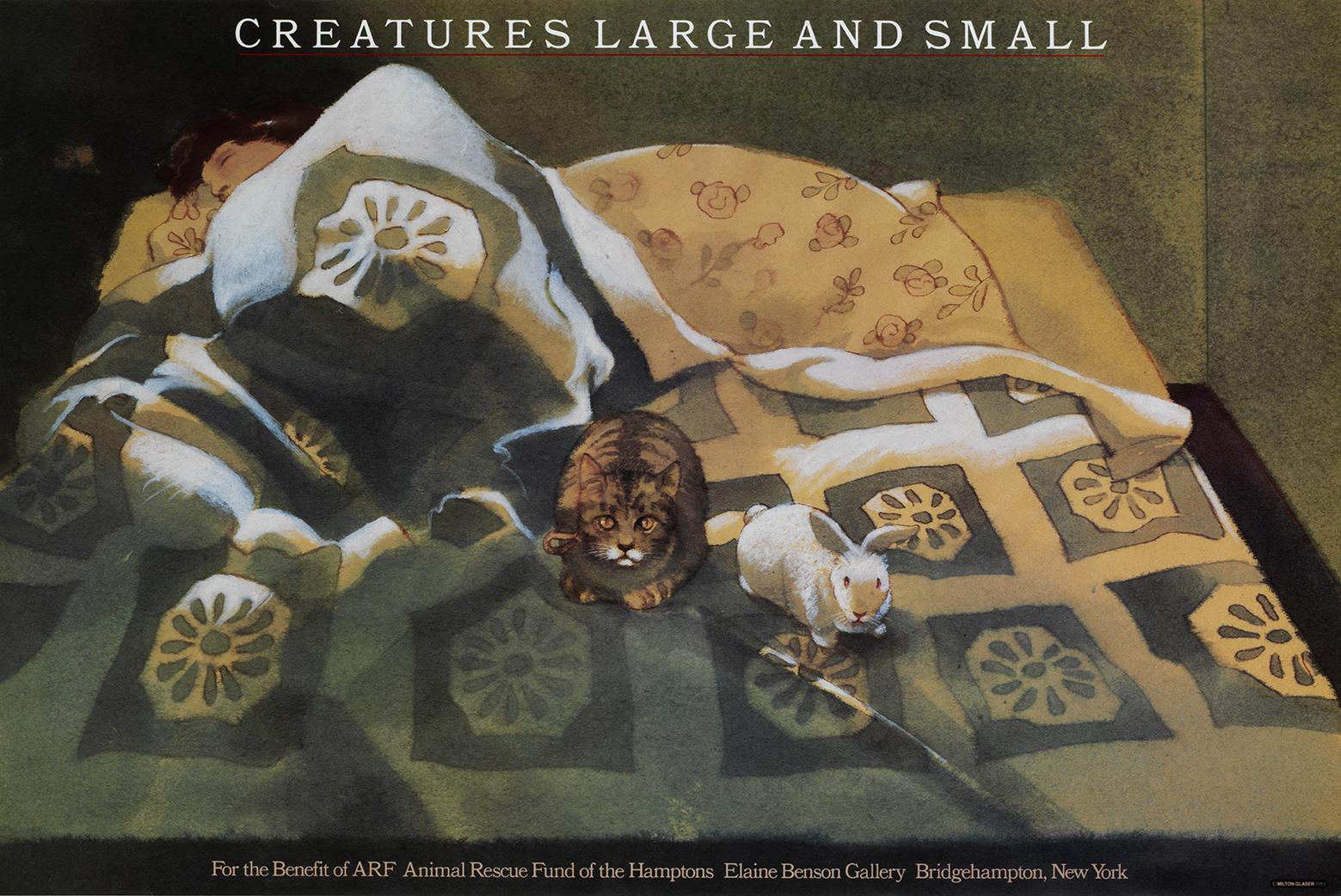
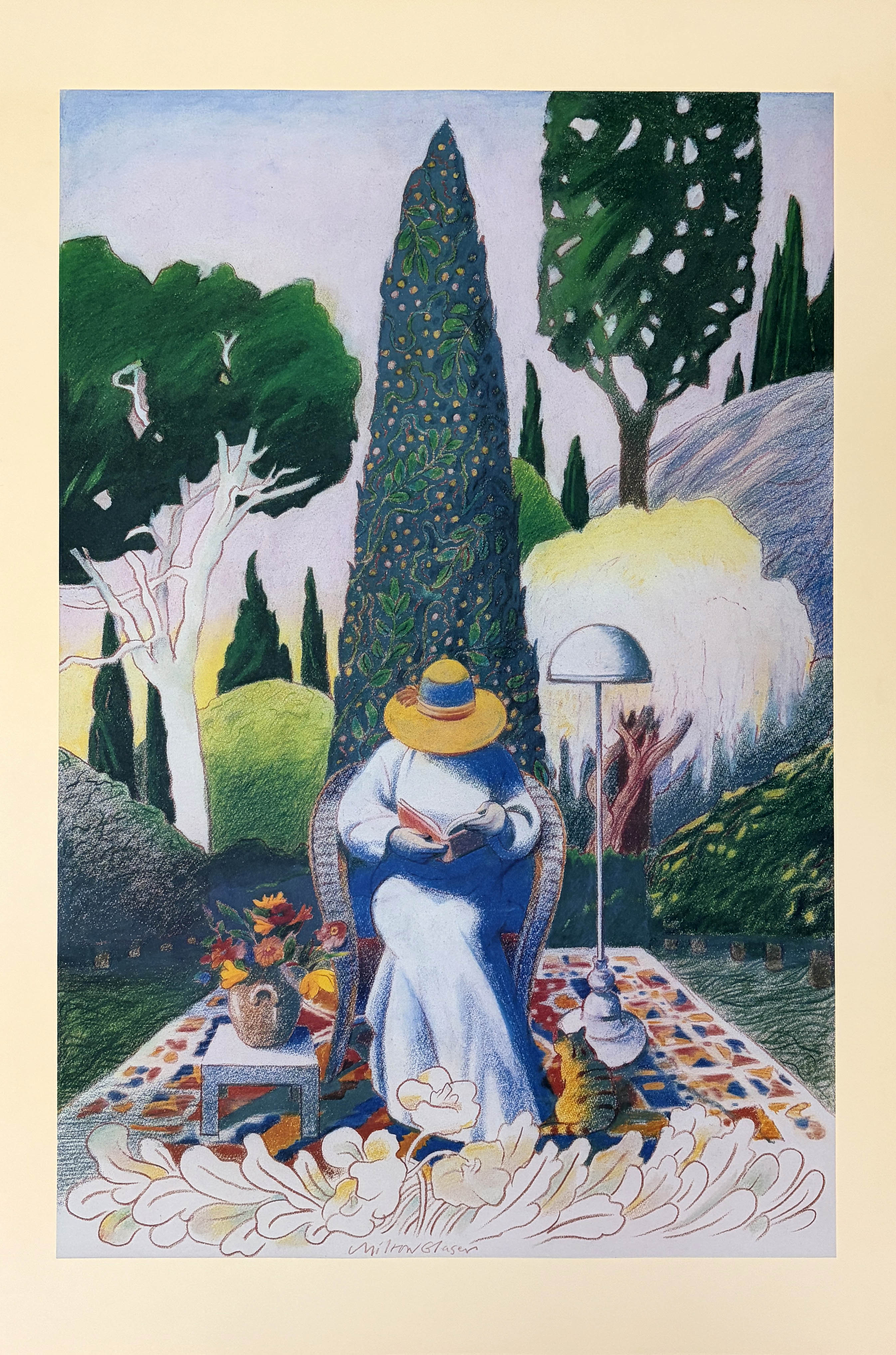
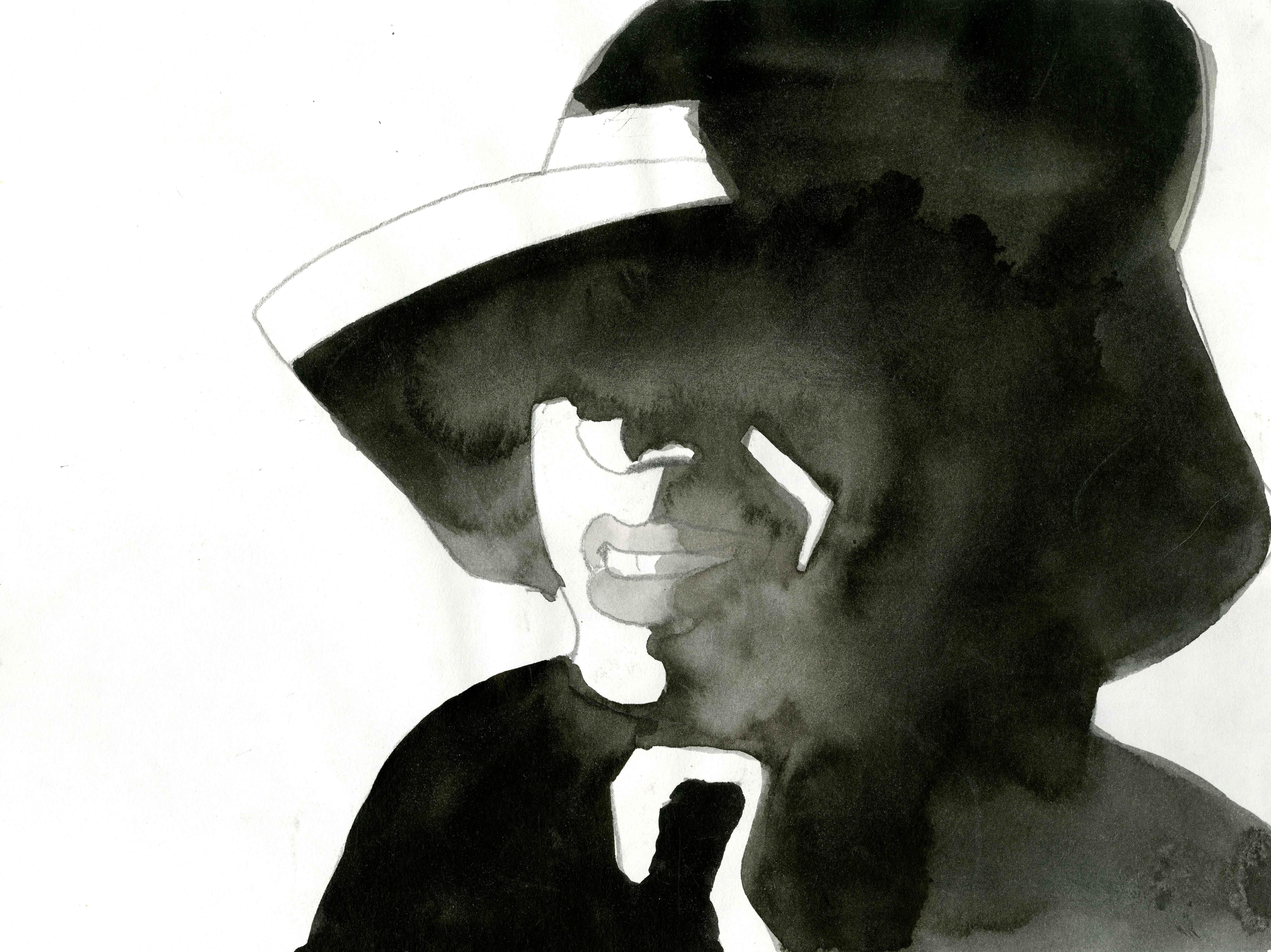
Her face is often obscured in her portraits, further reinforcing the fact that she was not interested in a public profile.
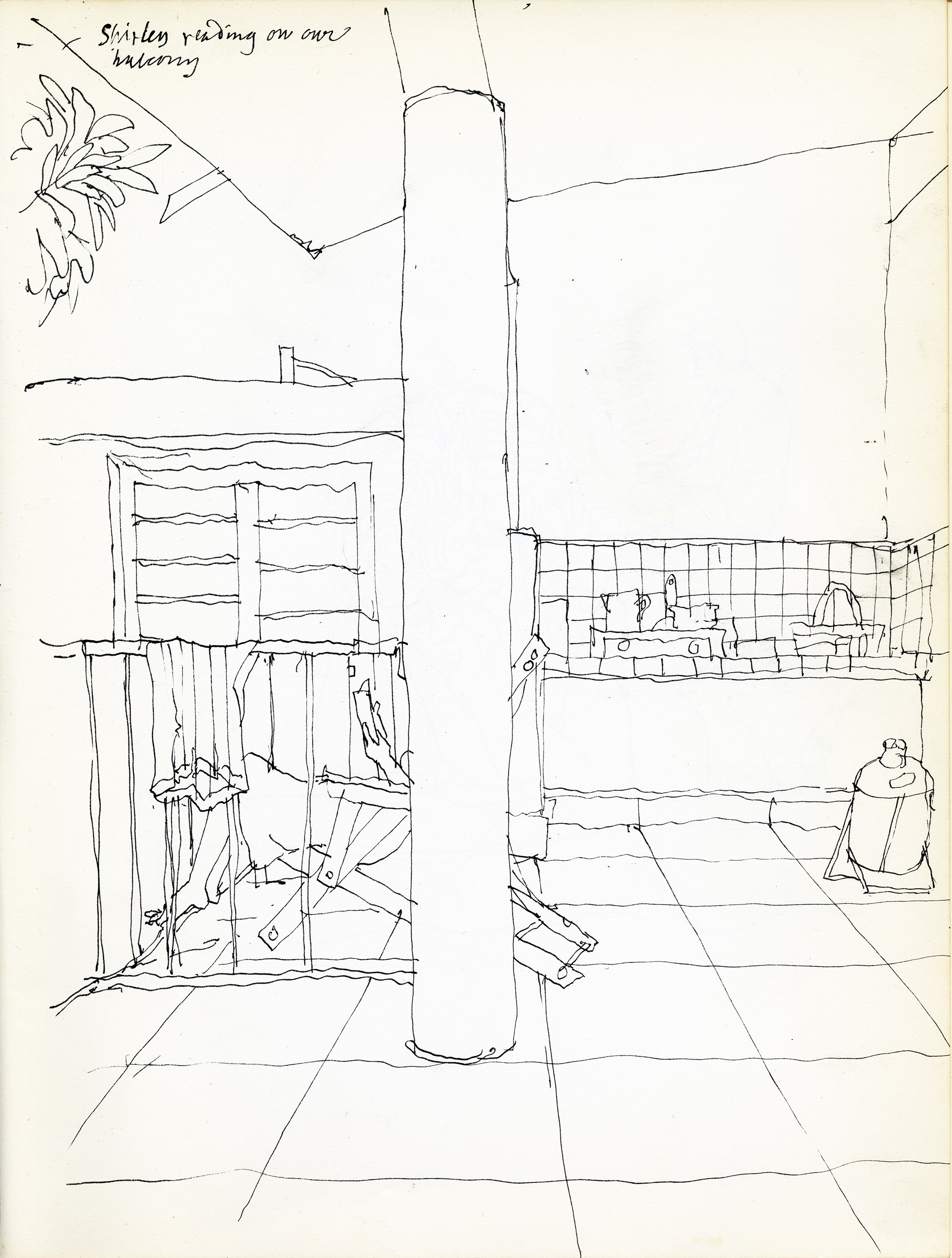
This week, I came across a portrait of Shirley in one of Milton's sketchbooks that documented their trip to Mexico City in November of 1961. Milton titled the drawing “Shirley reading on our own balcony.” You can see a woman’s legs comfortably draped over the side of a folding chair, while the rest of her body, including her face, is concealed from view. Still, her presence fills the page.